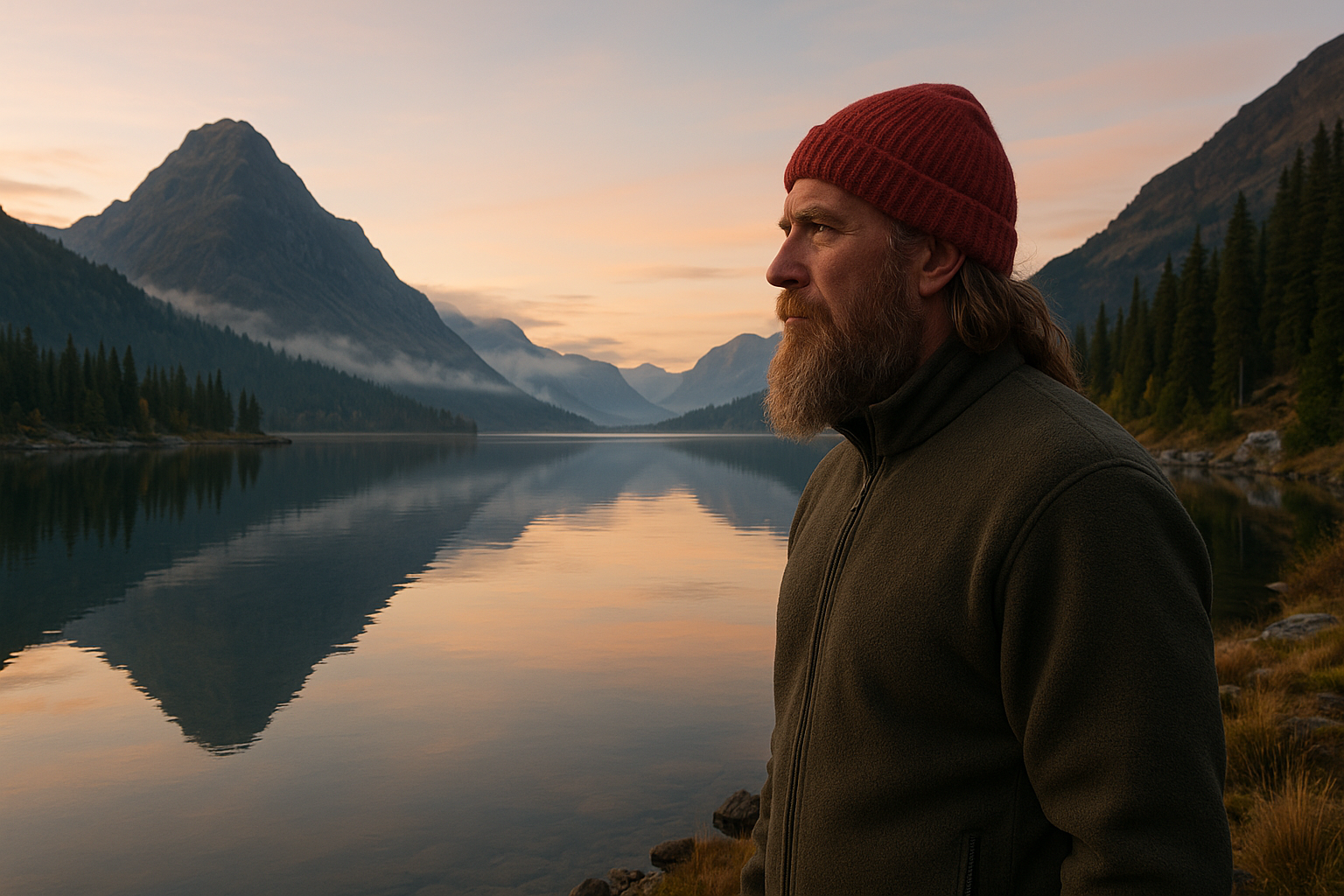
When Comfort Earns Its Keep
By Odin Tu
I am writing this on a table that is older than good manners. The boards are cupped and scarred. A black knot has lifted like a healed wound near my notebook. The cabin shakes in certain gusts, then settles again, as if it is listening to the storm and refusing to answer. I have been here long enough to know the sounds by heart. Roof snow that slides and stops. Ice grains that tick the window and then hiss across the sill. The stove that breathes like an animal when the draft takes hold. I have been here long enough to forget what day it is and stop caring.
Morning. I wake before light. The room is cold but not cruel. The fleece on the peg beside the bunk has kept the room’s breath from touching the base layer I slept in. I slide into the jacket and the chill steps back. This is the first rule of comfort. It must meet you halfway. A garment that needs a fire to be useful is a liar. I swing my feet to the floor and feel the grit of old ash where I missed the bucket in the night. The stove is out to a glow. I open the door and feed it small sticks of split spruce. The flame says yes with a low red grin, then climbs.
I take inventory. Water flask warm under the blanket. Good. Boots near the stove but not too near. The leather still has give. Good. Food is measured in days, not in weeks. That is fine. Patience is more important than full shelves. Wet gloves on the line by the rafters. They will be half right by noon and all right by evening. I hang the fleece next to them only long enough to let the chill lift, then I put it back on. I do not like to chase heat with a stove if the jacket can hold the line without help.
Outside is a white that has swallowed all shape. Wind draws hard from the west and pushes the lake into a single rolling sheet of drift. I open the door and it tries to leave the hinges. I close it and set the peg. I tell myself what I already know. There will be no travel today. There will be no woods run to ease the legs and clear the head. The storm owns the daylight. A person who insists on movement when the world says be still is not brave. He is noisy. The cold punishes noise.
Breakfast is simple. Porridge from oats that refuse to look fancy. A small piece of smoked meat. Tea. I eat by the window to let the light teach me whatever lesson it has planned. The stove pops and settles. The jacket remains steady. I watch for the first sweat on the neck and open the zip the width of two fingers before it forms. I have learned to treat small heat like money. Save it. Do not spend it on pride.
This long wait is not boredom. It is training. I set out tools. I mend small things. A torn pocket on the pack. A loop on a mitten. A length of line that needed a splice. Every hour I step outside and take the measure of the wind by how it plays the guy ropes. I shovel the door clear. I breathe the kind of air that smells like iron. The fleece learns my rhythm so closely that I begin to forget it is cloth. It takes the steam from my work and lets it pass as if through ribs. No wet chill when I come back in. No heavy memory of effort. It respects the work the way I respect the weather.
By midday the storm sharpens. Snow begins to float past the window sideways. I think of the men who built this cabin and what they must have believed about comfort. I can see their rules in the shape of the place. Low ceiling. Tight door. Stove set where the heat can reach the far corners. Pegs by the bunk for what must stay close. A small table and a smaller bench. Everything has a reason. Nothing begs for praise. This is the second rule. Comfort earns respect when it serves without asking for attention.
I test the jacket again by chores that have to be done. Wood to split from rounds taken two weeks ago. I carry them in from the covered stack and work in the lee of the wall. The wind comes around the corner and tries to reason with me. My hands tell me when to stop. The fleece lets me hold the handle without stiffening my forearms. It keeps the core honest. The zip is open two fingers to keep the sweat from stealing the next hour. Ax. Lift. Set. Strike. The clean ring of a good split resets the mind like a bell. I do a dozen cuts and bring the pieces inside. I stack them near the stove and let the jackets of the rounds brighten. Then I close the door and sit.
I write in the notebook as the light thins. The words are not pretty. They are checklists and small truths. The jacket stood up to three rounds of outside work without becoming heavy. The collar cleared the jaw without scraping the beard. Pockets warm and dry. Sleeve cuffs hold their shape. No snags from the ax handle. Dry by the stove in less than a cup of tea. If I read this when I am old I will not roll my eyes. I will remember the sound of wind against a wall and the way a good layer can make the difference between calm and worry.
Afternoon. The body starts to grumble. It wants a walk. I refuse. I make a circuit in the room instead. Ten slow laps from bunk to door and back. I match my steps to breath and feel the jacket adjust. Heat builds. I open the zip. Heat eases. I close the zip. A cheap jacket would punish me with plastic sweat and then a cold slap when I sit. This one lets me settle back to stillness without paying a penalty. That is the third rule. Real comfort allows you to move and then rest without a tax.
I eat early because the light is already done. Meat and a piece of hard cheese and a handful of dried berries that taste better than their looks. Tea again. The stove cheers up. I push the damper only enough to keep flame without waste. I sit with my back against the bunk post and close my eyes. The storm brings an old music at night. The roof sings in a low note. The walls add a single tone. Snow swirls across the glass with a soft grind. I let the sounds pass through me and try not to reach for stories. Storytelling is for later, when the work is finished.
Evening. I place the fleece across my knees and sharpen the small knife I keep by the bed. I sweep a little of the filings away with the sleeve and watch how the fabric handles grit. It holds the gold dust of steel and then releases it with a single brush of the hand. No pills rise. No thin spots. I press a sleeve in my fist and wait for the shape to come back. It does. I hold my breath against the collar and feel how the moisture beads instead of spreading. These are small but honest tests. Gear that passes them will pass the larger test that is my life.
Night. I bank the stove and let the room cool until breath shows again. I hang the jacket on the peg where it can watch over the bunk like a quiet friend. I keep it close because I know how quick the weather can change its mind. If I need to step out in the dark to fix a rope or rescue a drifting woodpile I want the middle layer to be first in the fight. I sleep.
I wake in the small hours and know by the taste of the air that the wind has shifted. It carries lake scent now. Colder and cleaner. I put on the fleece and step out. Moon or no moon I cannot tell. The sky is a lid of moving white. The lake is a single shape that never ends. The wind asks hard questions but not cruel ones. I circle the cabin and check lines and stacks and the half buried sled. The jacket holds the center of me steady. I do not shiver. I do not hurry. I finish the tasks and return to the bunk. That is the fourth rule. Comfort that lets you do necessary work is not indulgence. It is survival with manners.
Morning again. The storm has not given up. The world looks the same as yesterday, which means the world is winning. I boil water with careful hands and make porridge again. I move slowly and give the day the same respect as the last one. Long waits punishes those who scorch their energy early. The jacket gives me permission to go slow. The world will not reward rushing.
I decide the day’s work is to stop anything from becoming urgent. Urgent is what happens when you ignore easy. I clean the lantern and trim the wick. I check every seam in the tent that is packed on a shelf and fix the only two that need it. I tie a new loop at the end of my long rope. I scrape the soot from the stove’s inside wall and set it aside for later use as a blacking. The cabin becomes a workshop and the fleece becomes my bench. I lay it across my lap when I stitch and it keeps needles from skittering. I fold it and set my elbows on it when I clamp a ferrule in a small vise. A jacket is part of the tool set. It should stand the kind of contact that work requires.
By noon the stove is off. I sit by the window and take the measure of my own heat. The jacket handles it by keeping calm. No damp smell. No clammy hand when I touch the inside. When I lived younger I would have chased a bare arm just to prove to myself how hard I was. I do not waste that kind of pride anymore. I keep the sleeves down and let the jacket manage the balance. That is the fifth rule. Comfort is not about softness. It is about control.
Late in the day the wind slants and then slackens. The silence speaks a new language. I step out and the cold has a different bite. It feels like the edge of metal instead of the fist of a storm. I know this break. I can travel tomorrow if I need to. I do not celebrate. I shovel a path to the woods stack and split six more rounds. I check the sled and pack what I would need if the window is short. The jacket keeps the core warm and lets the arms work. I feel the seam at the shoulder carry the strap of the sled harness without rolling. Whoever chose the cut of this fabric understood that a human shoulder needs a clean anchor point.
Night again. The sky clears by pieces. Stars appear like holes in a black roof. I sit on the step with the fleece zipped to the chin and count them like a man who has run out of other riches. This is when a bad jacket tells the truth about itself. Bad cloth picks up the cold and sends it to your core. The face tightens, the fingers go deaf, the breath shortens to quick gasps that sound like apology. My jacket is quiet. It lets the cold sit outside and ask its questions while the inside stays level. I stay until the first shiver tries to join the party. I do not become a hero. I go back inside and make tea.
Sleep comes as a simple agreement. I trust the night. The night trusts me to wake if it changes its mind. The jacket on the peg looks like a shadow of a man who has not stepped away yet. I sleep.
The next morning the storm is spent. The sky is pale and thin like the inside of an old shell. The lake is a smooth field with ridges where the wind stacked snow into long low walls. I dress for travel. Base layer clean. Fleece with zipper eased a finger to allow for the first hill. Shell in the pack. Hat and gloves ready to trade heat with the air at a moment’s notice. I step out and test my own voice. The air steals nothing from my throat. Today is a day to move.
I pull the sled. The first miles are across the lake to a line of dark trees that look like a ship Lying still. The jacket handles the work of warmth with its usual patience. When the first sweat beads at my hairline I loosen the zip. When I ease off to check a line I close it again. The inside stays dry. The outside takes snow and sheds it. I cross the lake in a straight route and climb the near bank. The trail I left three days ago is gone. The world wrote over it without apology. Good. Clean starts keep the mind honest.
By midday I move in a rhythm that asks nothing from pride. I step. I breathe. I listen. I stop for water. I eat a small parcel of meat and a few nuts, then move again. The jacket becomes the center of a small weather that lives inside my clothes. It holds the warmth like a vow and lets the damp out like a wise gatekeeper. When the wind rises on the ridge I add the shell and nothing else changes. The fleece collaborates. It does not sulk. It does not fight the layer above it. This is the sixth rule. Good comfort knows how to be a partner.
I pass a stand of birch that has survived so many winters that the trunks look like bones. I stop to let the body cool and I place my palms against the tree. The bark is smooth and cold and feels like paper soaked in ice. I close my eyes. The jacket keeps the core steady enough that my fingers do not dull. I think of the days in the cabin and what they taught. Comfort is not the couch. It is not the soft mattress. Comfort is the heat that has earned the right to stay. The fleece did not gift it to me. It kept what I paid for with breath and food and good decisions. That is what I want from my tools. Keep what I have earned.
By late afternoon I reach the small rise where the land begins to look like it remembers spring. The snow is still deep but the light has changed. It has a warmer cast that no thermometer can explain. I hear water somewhere under the ice singing a far song. I stop and look back at the line I have made across the day. It is a string of decisions. Where to open a zip. Where to close it. When to add the shell. When to let the body work without help. When to sit. When to stand. The jacket has been with me in every one of those choices. I feel gratitude and I let that gratitude be simple.
I make camp in a clump of spruce that has stored wind in its branches like a secret. The snow is deep enough to cut a clean platform. I set the tent and anchor the corners with bags of snow. I leave the jacket on while I work because I do not want the heat to run out of the door while I sew the house. When the tent is up I step inside and breathe the first breath of shelter. I sit and write again.
I write the rules as I have learned them here.
Comfort arrives when the day has earned it.
Comfort should not demand a fire to exist.
Comfort should let work happen and then let rest feel honest.
Comfort does not beg for praise. It proves itself and waits.
Comfort releases what would harm you and holds what you have paid for.
Comfort partners with other layers without sulking.
Comfort is control more than softness.
Comfort keeps you steady when work must be done in the dark.
Comfort returns to its right shape after you have used it hard.
Comfort should be able to sit on a peg and ask nothing until you need it.
I stop writing and listen to the last small noises of the day. The jacket is warm and dry and smells only of clean wool and faint smoke. I lay it by my head when I finally stretch out to sleep. I keep it there because the best comfort is close, ready, and quiet.
Morning again. The sky is pale blue and the world has the look of a stern friend who has decided to be generous for a few hours. I pack and shoulder the sled rope and move. The jacket knows my shape now. The sleeves remember how I reach. The collar knows the hollow under my jaw. The pockets know what I keep near. This is a kind of companionship that cannot be faked.
By the time the sun tips toward the rim of the land I am within sight of the track that leads to a road and then to a town that will smell like bread and gasoline. I will walk into it with my jacket zipped and my face a little burned. I will buy flour and meat and oil and a handful of small things I do not really need but still like to have. I will sit with people who believe the storm was only weather. I will smile and not correct them. The storm was a teacher and I am a student who has not graduated yet.
When someone there asks me about the fleece I will not list features. I will tell them what it allowed. It let me stay still when stillness was the correct choice. It let me work in short quick bursts without drowning me in my own effort. It let me rest without a tax. It forgave small mistakes. It listened to breath. It stayed quiet when the wind was loud. It did not ask for applause. It made comfort honest.
I do not mean comfort as ease. Ease is a lounge chair that has forgotten your name. Comfort is the warmth you carry because you have done the work. Comfort is the absence of panic in a room lit only by a small stove. Comfort is the knowledge that when a rope needs tying in the middle of the night you can do it with steady hands and a steady heart. Comfort is the thing that lets you look at a storm and say I am ready to sit through this and learn.
The trail bends. The trees thicken. The wind dies into the branches and stays there, as if it too is tired of its own voice. I stop for one last note. The jacket has earned its keep. So has the stove, the rope, the boots, the small knife. So has the cabin and its boards and its old table. So have I.
I start walking again and the day carries me forward. When the lights of the town come through the last trees I do not hurry. I let the pace remain what it has been. Steady. Honest. Paid for. The jacket is warm and simple and exactly what it should be.
Comfort has kept its promise. I have kept mine.